Arts & Entertainment

How Arts & Entertainment Shape Our Everyday Lives

The Power of Local Arts: Community Connections

When you think about art, what comes to mind? Perhaps a grand painting hanging in a museum or a famous sculpture in a bustling city park? While those cultural icons are certainly impressive, let’s take a moment to appreciate the heartbeat of creativity that thrives right in our neighborhoods. Local arts not only enrich our lives but also weave a tighter social fabric. Let’s dive into real-world stories that illuminate how community-based arts can forge connections, foster understanding, and ignite passion.

The Neighborhood Gallery: A Catalyst for Connection

In the heart of my hometown, there’s a tiny gallery that often goes unnoticed. But for residents like Mrs. Thompson, an octogenarian who’s lived on the same street for decades, it’s a lifeline. Last summer, the gallery hosted a series of community art classes. Not only did Mrs. Thompson discover a hidden talent for watercolor painting, but she also made friends with a local teenager, Jake, who volunteered to help with the classes. Through shared creative experiences, they formed a bond that transcended generations—a reminder that art can foster relationships even amidst significant age gaps.

Street Murals: A Canvas for Change

Have you ever walked by a vibrant mural and felt the urge to stop, take a picture, or simply admire? Local artist Maya Rodriguez turned a neglected alleyway into a colorful mural that tells the story of our community’s struggles and triumphs. Funded by a local grant, Maya collaborated with residents to gather stories, which she then illustrated on the wall. The mural isn’t just a feast for the eyes; it has become a centerpiece for community gatherings. Residents share their experiences and reflect on the mural’s message, sparking conversations about inclusivity and hope.

Craft Fairs: More Than Just Sales

Every year, our town hosts a craft fair that’s brimming with handmade goods, from pottery to homemade candles. While shoppers line up to buy unique items, the real magic happens in the interactions. I remember chatting with a local potter, Jane, who shared how she sources her clay from a nearby river. Hearing her story made me appreciate her work on a deeper level. It’s moments like this that remind us that art and craft are not just products; they are personal narratives that connect us to our roots and to each other.

Arts as a Healing Tool: Community Resilience

The transformative power of art can be particularly profound in times of hardship. Whether it’s dealing with loss or overcoming adversity, creative expression often serves as a healing balm. Many communities have turned to art as a way to cope, share, and ultimately heal together. Let’s explore how art has played a vital role in navigating through pain and finding resilience.

In our downtown park, a weekly poetry reading has become a haven for many. Last fall, I decided to attend, drawn in by the sounds of passionate voices reciting their verses. It was there I met Mark, a veteran who shared a poem about his experiences in the service. His heartfelt words resonated with me and many others; several attendees approached him afterward, sharing their own stories of loss and recovery. The event transformed what could have been a solitary experience into a communal healing space where pain was acknowledged and solace found.

Art Therapy: Professional Insights

Art therapists like Dr. Emily Chen emphasize the importance of creative expression for mental health. In her practice, she uses various art forms to help clients explore their feelings without the constraints of traditional talk therapy. For instance, she recently worked with a group of teens struggling with anxiety. By encouraging them to paint their feelings, they discovered a new language for their emotions, leading to breakthroughs that traditional methods hadn’t achieved. It’s a powerful reminder that creativity can be a bridge to self-discovery and healing.

Community Theater: A Stage for Stories

Community theater has a unique ability to bring narratives to life, and last winter, I was fortunate enough to be part of a local production. The play, written by a high school student, tackled themes of bullying and acceptance. The cast comprised individuals from all walks of life, and as we rehearsed, many shared personal experiences that mirrored the script. The final performance not only entertained but also sparked dialogue about the issues we face as a community. It highlighted how storytelling, in its many forms, can act as a vehicle for understanding and change.

The Digital Revolution: Art in the Age of Technology

With the rise of technology, the arts have found new platforms to reach audiences far and wide. From virtual exhibitions to online workshops, digital tools have opened up a world of possibilities for artists and audiences alike. Let’s explore how technology is reshaping the landscape of arts and entertainment while also bringing communities together.

Virtual Exhibitions: Art Without Borders

During the pandemic, many artists adapted by moving their exhibitions online. I attended a virtual gallery tour featuring local artists, and it felt as vibrant as an in-person event. One artist, Sam, showcased his digital paintings that captured the essence of our city. What was fascinating was the chat feature; attendees from different states shared their thoughts, creating an unexpected dialogue. This experience highlighted how technology can dissolve geographical barriers and foster community across vast distances.

Online Classes: Creativity from Home

Since many of us have been spending more time at home, platforms like Skillshare and Udemy saw a rise in creative courses. I signed up for a photography class taught by a local professional. The engaging community forums allowed us to share our work and receive feedback, creating a sense of camaraderie among participants. As we learned new techniques, we also developed friendships despite being miles apart. It was a reminder that creativity thrives even when we can’t be in the same room.

Social Media: A Creative Showcase

Have you ever scrolled through Instagram and found a local artist whose work captivated you? Social media has become a powerful tool for artists to showcase their work and connect with potential buyers. A personal favorite of mine is a ceramicist named Lily, who shares her creative process through Instagram stories. She often engages with her followers, asking for feedback on new designs. This interactive relationship fosters a sense of community, where fans feel more connected to her journey and support her endeavors. It’s a beautiful example of how social media can elevate local arts.

The Future of Arts & Entertainment: What Lies Ahead

As we look ahead, the future of arts and entertainment is poised for evolution. With changing demographics, cultural movements, and technological advancements, the arts are continuously reshaping themselves. Let’s uncover some trends that could influence the next chapter of community arts.

Diversity and Inclusion: A Collective Voice

One of the most encouraging trends is the increasing emphasis on diversity and inclusion in the arts. Community projects are now actively seeking to amplify underrepresented voices. For instance, a recent initiative in our city invited artists from various backgrounds to collaborate on a mural that reflects the richness of our community. By prioritizing inclusivity, we not only celebrate different perspectives but also enrich the narrative of our collective experience.

Environmental Consciousness: Art for a Cause

As awareness of climate change grows, many artists are using their talents to advocate for environmental issues. A group of local artists recently came together for an exhibition titled “Nature’s Echo,” where they showcased works highlighting the beauty of our planet and the urgency to protect it. The event drew crowds and sparked discussions about sustainability, reminding us that art can serve as a powerful tool for activism and change.

Innovation in Art Forms: Embracing the New

The advent of technology opens up new avenues for creativity. Interactive installations and augmented reality art are gaining traction, allowing audiences to engage with art in dynamic ways. Recently, a local artist created an augmented reality experience in a public park where visitors could use their smartphones to see animations overlaid on sculptures. It’s a thrilling blend of art and technology that not only entertains but also challenges our traditional notions of what art can be.

Celebrating Arts: Practical Steps for Community Engagement

Now that we’ve explored various facets of community arts, how can we actively engage with and support the artistic endeavors around us? Here are some practical steps you can take to become involved in your local arts scene.

Volunteer Your Time

Your time is invaluable, and local arts organizations are always looking for volunteers. Whether it’s helping set up for an event, assisting with workshops, or promoting shows on social media, your contribution can make a significant impact. I started volunteering for a local theater group, and not only did I learn more about the performing arts, but I also made friends who share my passion. It’s a win-win!

Attend Local Events

Make it a point to attend local gallery openings, theater productions, and music festivals. You’d be surprised how much talent exists in your backyard. Plus, it’s a great way to meet like-minded individuals and support local artists. I remember attending a music festival where I stumbled upon an amazing indie band that I now follow regularly. Your presence at these events can be a powerful encouragement to artists.

Support Local Artists

Consider investing in local art—whether it’s a painting, a handmade piece of jewelry, or a beautifully crafted piece of furniture. Buying local not only supports the artist but also helps grow the local economy. Additionally, sharing their work on social media or simply talking about them with friends can spread the word and help them gain recognition. Every little bit helps!

Community and Society

Building Stronger Connections in Our Community Together

The Power of Community: How Connections Shape Our Lives

Have you ever found yourself chatting with a neighbor over the fence or sharing a laugh with a barista at your local coffee shop? Those little moments may seem trivial, but they’re actually the building blocks of a strong community. Our neighborhoods, online groups, and even our families play a crucial role in defining who we are. Let’s dive into some heartwarming real-world stories and practical insights about the power of community and the relationships that make our lives richer.

Subsection 1.1: The Neighborhood Potluck

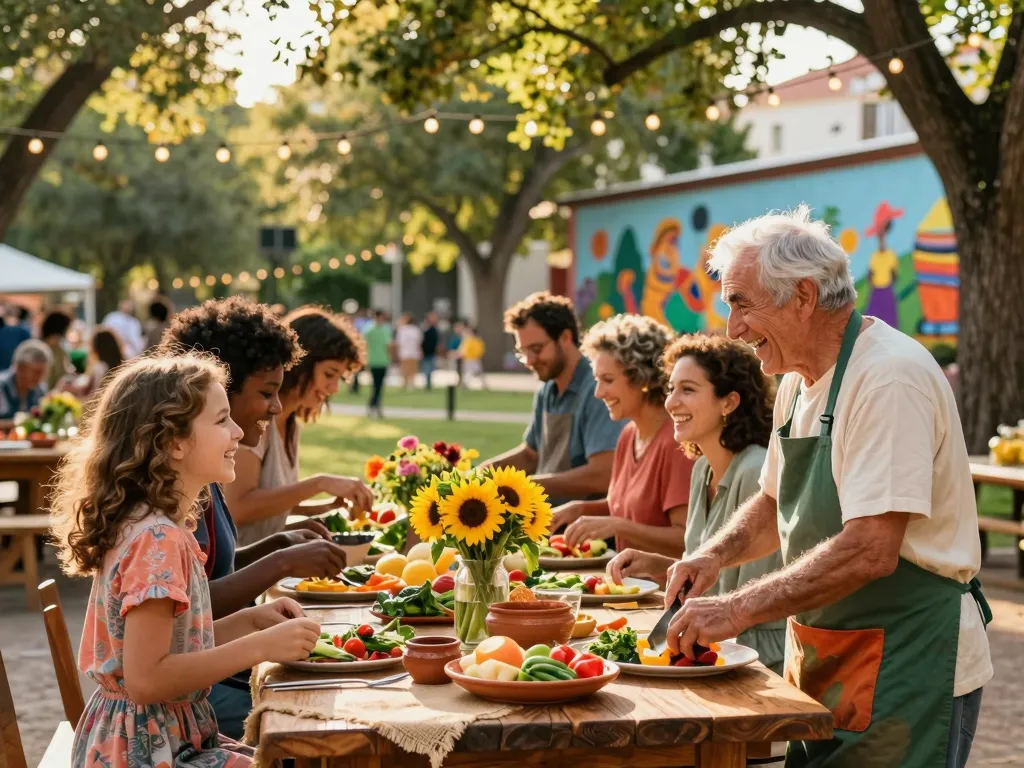
Last summer, my neighborhood organized a potluck that changed the dynamics of our community. At first, I was hesitant to join; after all, mingling with strangers wasn’t exactly my forte. However, I decided to bring my famous potato salad on a whim. To my surprise, this was the best decision I could have made!

As I set up my dish, I struck up conversations with neighbors I had only waved at before. The kids played together, laughter filled the air, and we shared stories over a wide variety of food. Later that night, I left not just with a full belly but with new friendships and a sense of belonging. Potlucks are a great way to break the ice and can happen in any neighborhood—just imagine the joy of discovering that your neighbor makes a killer lasagna!

Subsection 1.2: The Online Support Group

In today’s digital age, communities aren’t confined to geographical boundaries. There’s an incredible online support group for new parents that I stumbled upon while navigating the wild ride of motherhood. The group is filled with parents sharing everything from diaper disasters to sleep deprivation.

One member posted about her struggles with postpartum depression, and the outpouring of support was nothing short of spectacular. It reminded me that while physical communities are important, virtual communities can provide essential emotional support. These platforms allow us to connect with those who truly understand what we’re going through, regardless of distance.

Subsection 1.3: Volunteering: Building Bonds Through Service

Volunteering is one of the most rewarding ways to connect with your community. A friend of mine started helping out at a local animal shelter, and she quickly became part of a tight-knit group of fellow volunteers. They bond over the shared joy of rescuing pets and often plan outings together outside of their volunteer work.

Service creates a unique sense of camaraderie. Whether you’re cleaning up a local park or cooking meals at a shelter, you’re doing meaningful work while forming connections with others who care about the same issues. Plus, volunteering can provide a sense of purpose that enriches your life.

The Magic of Shared Experiences

There’s something undeniably magical about shared experiences. They weave the fabric of our communities, creating bonds that may last a lifetime. From local festivals to spontaneous gatherings, let’s explore how these moments can unite us.

Subsection 2.1: The Town Fair: A Celebration of Togetherness

Every year, our town hosts a fall fair, and let me tell you, it’s the event of the year! Families set up booths selling homemade crafts, local bakeries bring their best treats, and kids eagerly anticipate the hayrides and games. This is where our community truly shines.

During one particular fair, I volunteered to help with the games, and it was here that I met Samantha, a single mom new to the area. We bonded over her son’s relentless enthusiasm for the ring toss and ended up chatting about life, parenting, and our hopes for the future. By the end of the day, we exchanged numbers, and now our kids are best buds! These events can forge connections in the most unexpected ways.

Subsection 2.2: Book Clubs: More Than Just Reading

If you think book clubs are just about discussing novels, think again! My local book club is a rich tapestry of personalities, where sharing stories is just as important as discussing the plot twists of our latest read. Each month, we dive into a new book, but the real magic happens when we gather to share our life stories and experiences related to the themes.

One member opened up about her struggle with grief during a discussion on a novel centered around loss, prompting a heartfelt dialogue. It became a safe space for vulnerability and connection, illustrating that literature can bring people together in profound ways. If you haven’t tried starting or joining a book club, I highly recommend it!

Subsection 2.3: Community Art Projects

Have you ever seen a mural that brightens up a dull street? Community art projects are a fantastic way to beautify public spaces while fostering collaboration. In my neighborhood, we came together to paint a mural that represents our local culture, and it sparked creativity and pride among residents.

During the process, I met artists, students, and retirees, all of whom brought their unique perspectives to the project. The act of creating art in a communal space not only beautifies the area but also fosters a sense of ownership and belonging. Next time you see an opportunity for an art project, consider jumping in—it’s a fun way to meet neighbors and express your community’s values.

Barriers to Connection: Understanding Community Challenges

No community is without its challenges. While we may have beautiful stories about connection, we also face barriers that can hinder our sense of belonging. Recognizing and addressing these challenges is crucial for fostering a more inclusive community.

Subsection 3.1: Cultural Differences: Celebrating Diversity

In our increasingly globalized world, cultural differences can sometimes create barriers to connection. When I moved to a multicultural neighborhood, I was taken aback by the variety of traditions and lifestyles. At first, I felt like an outsider among these rich cultural tapestries.

However, I soon learned the beauty of these differences through open dialogues and community events celebrating each culture. I attended a Diwali festival, where I learned about the significance of lights and family gatherings. The key takeaway? Instead of shying away from differences, embracing and celebrating them can forge deeper connections within our community.

Subsection 3.2: The Loneliness Epidemic

Surprisingly, many people in our communities feel isolated, even in a crowd. A study revealed that loneliness is a growing epidemic, affecting people of all ages. I remember chatting with an elderly neighbor who expressed how disconnected she felt despite living in a bustling area.

To combat this, I started a simple initiative: regular coffee mornings for neighbors. We’d gather at a local café to share stories and laughter. It turned out that many people were craving connection, and those mornings transformed into a cherished routine. If you know someone who may be feeling lonely, a simple invitation can go a long way in bridging that gap.

Subsection 3.3: Economic Disparities: Bridging the Gap

Economic disparities can create unintentional divides within communities. It’s easy to overlook these challenges when you’re comfortable in your bubble. I once volunteered at a food bank and was struck by the stories of resilience I encountered among individuals facing economic hardships.

These experiences transformed my perspective on community and privilege. It’s crucial to engage with and support local initiatives that address economic disparities. Whether it’s donating time, resources, or simply spreading awareness, every small action helps create a more equitable community.

Innovative Solutions: Building Stronger Communities

Every challenge presents an opportunity for innovation and creativity. Communities across the globe are finding unique solutions to enhance connection, collaboration, and support. Let’s explore some inspiring initiatives that are making a difference.

Subsection 4.1: Time Banking: A New Currency of Connection

Imagine being able to exchange your skills for services without using money. That’s the concept behind time banking! In my town, we have a time bank where members offer skills—like tutoring or gardening—in exchange for time credits. Need help with your website? Find someone who needs help with their garden and trade services!

This innovative model fosters a sense of community while providing essential support. It breaks down barriers of economic inequality and encourages collaboration. If you’re interested in establishing or joining a time bank, check local community centers or online platforms that facilitate such exchanges.

Subsection 4.2: Community Gardens: Digging Deeper Together

Community gardens are sprouting up everywhere, and they’re not just about growing vegetables—they’re about cultivating relationships! One of my favorite places is the community garden where I’ve met neighbors from all walks of life, united by a love for gardening.

We share seeds, tips, and even recipes. Working together to cultivate the land fosters teamwork, and the joy of harvesting fresh produce creates a deep sense of accomplishment and community spirit. If you’re looking for a way to connect with your neighborhood, consider starting or joining a community garden!

Subsection 4.3: Skill-Sharing Workshops: Learn While You Connect

Imagine gathering with your neighbors to learn something new like pottery, cooking, or even coding! Skill-sharing workshops have become a hit in many communities. I attended one where a local chef taught us how to make authentic Italian pasta from scratch.

It was a fantastic experience that not only equipped us with new culinary skills but also allowed everyone to bond over food. These workshops can be organized at community centers, libraries, or even in someone’s backyard. They’re a great way to learn, share, and build connections while having fun!

Creating Lasting Impact: The Role of Leadership in Communities

Strong leadership can make a monumental difference in shaping a community. From grassroots organizers to local officials, the right leadership fosters connection, engagement, and empowerment. Let’s discuss how effective leadership plays a role in community development.

Subsection 5.1: Grassroots Movements: Voices of Change

Grassroots movements are often the heartbeat of community change. I remember attending a town hall meeting where community members passionately discussed issues affecting our neighborhood. It was empowering to witness people rallying together to advocate for better public transportation.

Grassroots leadership allows individuals to voice their concerns and push for change. If you’re passionate about a cause, consider becoming involved in local advocacy efforts. Whether it’s attending meetings or starting a petition, your voice matters in shaping your community!

Subsection 5.2: Mentorship Programs: Nurturing Future Leaders

Mentorship is a powerful tool in building community leadership. In my city, there’s a mentorship program connecting young individuals with experienced professionals. I had the privilege of mentoring a high school student interested in journalism, and it became a rewarding experience for both of us.

These programs not only empower youth but also foster intergenerational connections. As mentors share their experiences and insights, they inspire the next generation to become active and engaged community members. If you have expertise in a specific area, consider mentoring someone in your community!

Subsection 5.3: Community Forums: Bridging the Gap Between Leaders and Residents

Creating spaces for open dialogue between community leaders and residents is essential for fostering trust and collaboration. In my town, we host quarterly community forums where residents can raise concerns and share ideas with local officials.

These forums have not only improved communication but have also empowered residents to take an active role in decision-making processes. If your community doesn’t have something similar, advocate for starting one! A simple open forum can bridge gaps and create a more engaged and informed community.

Health

Simple Habits for a Healthier Life You Can Start Today

Navigating the Maze of Nutrition

Eating healthy can sometimes feel like navigating a complex maze. With all the diet fads and food trends swirling around, it’s easy to feel overwhelmed. But let’s take a moment to unpack this with some real-world experiences and insights from everyday folks who have tackled the nutritional journey head-on.

Subsection 1.1: The Smoothie Saga

Take Sarah, for example. She was stuck in a rut with her breakfast choices—always reaching for sugary cereals that left her craving more in just an hour. In her quest for a healthier start to the day, Sarah discovered smoothies. At first, she struggled with the combinations, but after a few trial-and-error sessions, she found the perfect mix: spinach, banana, and a scoop of peanut butter. Not only did this give her sustained energy, but it also turned breakfast into something she looked forward to. The key takeaway? Don’t be afraid to experiment; find what works for you.

Subsection 1.2: Label Smarts

Then there’s Tom, a dad of two who always thought he was making healthy choices until he took a closer look at the labels on his favorite granola bars. He discovered that many of them were loaded with sugars and preservatives. Armed with this new knowledge, Tom began reading labels like a detective solving a mystery. He turned to whole foods—think fruits, nuts, and oats—crafting his own granola bars at home. The best part? His kids loved helping out, making it a fun family activity. The moral? Knowledge is power; take the time to understand what you’re really eating.

Subsection 1.3: Community Cook-Offs

In a small town, a group of friends decided to host a monthly cook-off, with a twist: every dish had to be healthy. This turned into a delightful competition, where everyone shared their favorite recipes and cooking tips. Julie made a kale salad that was a crowd-pleaser, while Mike showcased an incredible quinoa dish. The camaraderie of sharing meals and ideas brought them closer and inspired healthier eating habits in the entire neighborhood. Community support can be a game-changer; find your local tribe and get cooking!

Understanding Mental Health

Mental health is often a topic we tiptoe around, but it’s crucial. It’s not just about having a diagnosis; it’s about how we all feel and cope with daily life. Let’s talk about some real experiences that shed light on this important aspect of health.

Subsection 2.1: The Power of Journaling

Meet Alex, a young professional who struggled with anxiety. After a particularly overwhelming week, a friend suggested he try journaling. At first, he was skeptical, but he decided to give it a shot. He started writing down his thoughts and feelings each night, which turned out to be a therapeutic release. It helped him see patterns in his anxiety triggers and brought clarity. Journaling isn’t just a trend; it can be a powerful tool for self-discovery and emotional processing.

Subsection 2.2: Nature’s Therapy

On the other hand, we have Jessica, who found solace in nature. After experiencing burnout at work, she took up hiking as a way to decompress. Each weekend, she explored local trails, and the simple act of being outdoors worked wonders for her mental well-being. She often reflected on how nature seemed to ground her, providing a much-needed escape from everyday stressors. If you’re feeling overwhelmed, consider stepping outside—fresh air can do wonders!

Subsection 2.3: Group Support Systems

Lastly, there’s Raj, who found his peace in a support group for new fathers. Initially hesitant to join, he soon realized that the shared experiences of sleepless nights and parenting woes were incredibly validating. The group became a safe space where he could vent, learn, and laugh with others facing similar challenges. The lesson here is that you’re not alone; sometimes, it just takes connecting with others to lighten the load.

Physical Fitness: Finding What Moves You

Physical fitness is another vast landscape, and finding the right activity can feel daunting. But when you hear personal stories, it all becomes a bit clearer. Let’s dive into how people have embraced fitness in their own unique ways.

Subsection 3.1: Dance it Out

Consider Mia, who had never been particularly active. One day, a friend invited her to a Zumba class, and she reluctantly agreed. To her surprise, she found herself having so much fun that she forgot she was even exercising! Mia’s story is a reminder that fitness doesn’t have to be a chore; it can be a dance party! Finding a fun way to move is often the key to sticking with a routine.

Subsection 3.2: The Joy of Team Sports

Then there’s Leo, who rediscovered his love for soccer in his 30s. After years of working a desk job, he joined a local league and found a community of like-minded individuals. The camaraderie, competition, and exercise all in one package reignited his passion for fitness. Leo’s experience shows that teamwork can be a motivator—finding a group or a sport you love can make all the difference.

Subsection 3.3: Home Workouts Go Viral

Finally, there’s Sam, a single mom who turned to home workouts during the pandemic. She discovered numerous online platforms for guided workouts, from yoga to high-intensity interval training (HIIT). Initially hesitant, she found a rhythm that worked for her schedule and started feeling stronger physically and mentally. Sam’s journey highlights the importance of flexibility; finding workouts that fit into your life can make staying active much easier.

Sleep: The Unsung Hero of Health

Sleep often gets overshadowed by flashy health trends, but it’s essential. Let’s hear some real-life stories that underscore just how critical good sleep is to our overall well-being.

Subsection 4.1: The Sleep Experiment

Take Mark, an entrepreneur who was burning the candle at both ends. After attending a wellness seminar, he decided to commit to a month of improving his sleep hygiene. He implemented a strict bedtime routine, limiting screen time and creating a cozy sleep environment. By the end of the month, Mark felt fresher, more focused, and less stressed. His story highlights the impact of prioritizing sleep; sometimes a few small changes can lead to big results!

Subsection 4.2: The Napping Debate

Then there’s Lisa, who swears by power naps. While many believe napping is counterproductive, Lisa shared how a quick afternoon snooze revitalizes her day. She’s found that setting a timer for 20 minutes allows her to recharge without interfering with her nighttime sleep. Everyone’s sleep needs vary; it’s all about finding what works for you. Embrace the nap if it helps!

Subsection 4.3: Sleep and Nutrition Connection

Lastly, we have Ben, who realized that what he ate had a significant effect on his sleep quality. After some experimentation, he learned that heavy meals before bed disrupted his sleep. So, he started opting for lighter dinners and herbal teas in the evening. This connection between diet and sleep is often overlooked, but it’s worth paying attention to. Eating mindfully can be a game-changer for a restful night!

Building Resilience in Health

Resilience is the ability to bounce back from challenges, and cultivating this trait is crucial for maintaining health in all aspects of life. Let’s explore how different individuals have built resilience and what we can learn from them.

Subsection 5.1: Facing Setbacks Head-On

Meet Carla, who faced a significant setback when she was diagnosed with a chronic illness. Instead of letting it define her, she sought to understand her condition and how to manage it. Carla began attending workshops and connecting with others facing similar challenges. Her drive to learn and adapt converted her struggles into strengths, teaching her that resilience is about gathering knowledge and support. Facing your hurdles can lead to unexpected growth.

Subsection 5.2: The Power of Mindfulness

Then there’s Eric, who turned to mindfulness practices to handle stress. After losing his job, he felt overwhelmed and anxious. By incorporating meditation and deep breathing into his daily routine, he learned to stay grounded and present. Eric’s experience illustrates the power of mindfulness; it can be a crucial aspect of building resilience. It’s about finding tools that help you cope with life’s ups and downs.

Subsection 5.3: Learning from the Community

Finally, we have Samantha, who faced challenges with her mental health. Instead of isolating herself, she engaged with her community through volunteering. This not only provided her with a sense of purpose but also strengthened her support network. Samantha’s journey teaches us that resilience often flourishes in community; reaching out and helping others can be incredibly healing. You never know how much strength lies in togetherness!

Law and Government

Understanding Your Rights: A Friendly Guide to Law and Government

The Role of Local Government: A Pillar of Community Life

When we talk about government, we often think of towering structures, national policies, or even political debates that seem far removed from our everyday lives. Yet, the local government is where the real magic happens; it’s the engine that drives our communities. From city councils to school boards, local government is where decisions are made that affect our daily routines, like how often the trash is picked up or which parks get the green light for renovations.

Subsection 1.1: The City Council: Your Local Decision-Makers

Ever found yourself at a city council meeting? If so, you’ve probably witnessed community members passionately discussing issues that matter most—whether it’s funding for a new playground or addressing concerns about traffic safety. These meetings are often a microcosm of community sentiment. Take the story of a small town introduced a bike lane initiative after residents voiced their concerns about safety. This simple act turned into a community-driven movement, proving that local governance is not just about policies but about people.

Subsection 1.2: School Boards: Shaping Future Generations

School boards often get a bad rap, especially when it comes to budget cuts or curricular changes. However, these boards are made up of parents, educators, and community members who genuinely want the best for local students. For instance, in one community, a parent-led initiative successfully lobbied for improved mental health resources in schools after a tragic incident. The outcome? Increased awareness and funding for mental health programs that support students and teachers alike.

Subsection 1.3: Neighborhood Associations: The Grassroots Effort

Neighborhood associations often serve as the heartbeat of local communities. These groups take action on neighborhood issues, from organizing clean-up days to advocating for local development projects. In one neighborhood, residents banded together to rejuvenate a neglected park. They organized fundraisers, enlisted local businesses for donations, and ultimately transformed the space into a vibrant community hub—showing just how powerful grassroots efforts can be.

Understanding Your Rights: Legal Literacy for Everyday Citizens

It’s easy to feel overwhelmed by legal jargon, but understanding your rights can empower you to navigate daily challenges. Law isn’t just for lawyers; it’s for everyone. Whether you’re dealing with a landlord dispute or a malfunctioning product, knowing your rights can help you take informed action.

Subsection 2.1: Tenant Rights: What You Need to Know

Many people don’t realize that as renters, they have a set of rights protecting them from unfair practices. For example, there was a tenant named Maria who faced eviction over a minor late payment. By educating herself on tenant laws, she discovered that her landlord was violating her rights. Armed with this knowledge, she successfully contested the eviction, demonstrating that understanding tenant rights can make a world of difference.

Subsection 2.2: Consumer Rights: Standing Up for Yourself

Have you ever bought a product that didn’t match its description? You’re not alone. Knowing your consumer rights can save you time, money, and frustration. Take the case of Tom, who bought a supposed “lemon” car. After learning about the lemon law in his state, he sought legal recourse and was able to get a refund. Understanding consumer rights can empower you to demand quality and fairness in your purchases.

Subsection 2.3: The Importance of Legal Resources

Access to legal resources can feel daunting, but there are many community organizations ready to help. For example, local legal aid clinics often provide free consultations for low-income individuals. In one case, a young woman was able to get legal assistance to navigate a complicated custody battle, leading to a resolution that kept her family together. Remember, the law exists to protect you, and there are people out there ready to help you understand it.

Civic Engagement: Your Voice Matters

Civic engagement is more than just voting in elections; it’s about being an active participant in your community. From attending town hall meetings to volunteering for local initiatives, your voice can create ripples of change.

Subsection 3.1: The Impact of Voting: More than Just a Right

How often do you hear someone say their vote doesn’t matter? That mindset can be detrimental. For instance, in one local election, a mere 100 votes decided the outcome of a critical school funding measure. Engaging in the voting process is vital, as every vote counts. It’s a reminder that when you share your beliefs through voting, you’re influencing the future of your community.

Subsection 3.2: Volunteering: A Hands-On Approach

Volunteering can be a transformative experience, not just for those you’re helping but for yourself. Consider Sarah, who volunteered at a community food bank. Through her experience, she not only learned about the food insecurity issues in her area but also felt a strong sense of belonging. Volunteering builds community ties and can help you see the impact of local government programs firsthand.

Subsection 3.3: Advocacy: Making Your Voice Heard

Sometimes, change requires more than just showing up; it requires advocacy. Whether it’s writing a letter to your local representative or organizing a rally, advocacy can bring attention to critical issues. For instance, a group of high school students organized a campaign for better mental health resources in their school, and their efforts sparked a broader discussion in the community about youth mental health. Remember, your voice can inspire action!

Community Policing: Building Bridges Between Law Enforcement and Citizens

In recent years, the concept of community policing has gained traction, focusing on building relationships between law enforcement and the communities they serve. It’s about partnership and problem-solving together.

Subsection 4.1: The Community Policing Model

Community policing emphasizes collaboration, where officers and community members work together to identify problems and develop solutions. For example, in a city where crime rates were soaring, the police department hosted regular community forums. This initiative not only fostered trust but also helped law enforcement understand community concerns, leading to effective crime reduction strategies.

Subsection 4.2: Citizen Advisory Boards: A Platform for Dialogue

Many police departments have established citizen advisory boards where community members can discuss local policing issues. These boards allow for open dialogue between citizens and officers, fostering mutual respect. In one instance, a board proposed a youth mentorship program that reduced juvenile crime rates by engaging young people positively and constructively.

Subsection 4.3: Building Trust: Success Stories

It’s crucial to highlight success stories that stem from community policing efforts. Take a town that launched a “Coffee with a Cop” program, inviting residents to get to know their local officers in a casual setting. These informal encounters have built relationships that led to increased reporting of crimes and a greater sense of safety in the community. Community policing can transform perceptions and build lasting bonds.

The Future of Governance: Embracing Technology

As we step deeper into the digital age, technology is reshaping how we interact with government. From online voting to digital town halls, the future of governance is here, and it’s more accessible than ever.

Subsection 5.1: Online Voting: A Game Changer

Imagine being able to cast your vote from the comfort of your home. Online voting is becoming a reality in some areas, making the voting process much more accessible, especially for those with mobility issues or those living abroad. For instance, a pilot program in one state allowed overseas citizens to vote online, significantly increasing participation rates. The convenience of technology is breaking down barriers to civic engagement.

Subsection 5.2: Digital Town Halls: Engaging the Community

Digital town halls have emerged as a vital tool for community engagement, allowing residents to participate in discussions without geographical barriers. For example, during a recent budget discussion, a local government hosted a virtual town hall that attracted participants from all over the district. This inclusive approach led to a more comprehensive understanding of community needs and preferences, proving that technology can enhance democratic processes.

Subsection 5.3: Civic Tech: Empowering Change through Innovation

Civic tech refers to technology designed to improve citizen engagement and government processes. From apps that allow citizens to report local issues to platforms that enable budget tracking, civic tech is empowering individuals to play an active role in governance. A notable example includes an app that allows residents to report potholes directly to their local government, streamlining the process and ensuring faster repairs. Technology is not just a tool; it’s a catalyst for change in governance.

Reference Materials

Your Go-To Guide for Handy Reference Materials

Understanding Reference Materials: More Than Just Books

When you think of reference materials, what comes to mind? For many of us, it might be dusty encyclopedias gathering cobwebs on a shelf, or perhaps that hefty thesaurus you used to pull out during high school English class. But reference materials are so much more than that—they’re gateways to knowledge, tools for problem-solving, and even a source of inspiration. Let’s dive into this world, exploring personal experiences and community stories that showcase how reference materials shape our lives.

Subsection 1.1: My Grandma’s Recipe Book

Growing up, my grandma had a massive, tattered cookbook that she called her “reference book.” It wasn’t just any cookbook; it was filled with handwritten notes, clippings from newspapers, and the smell of memories. Whenever I’d visit, we’d flip through its pages together, and I’d hear stories about her childhood, her family, and how she adapted recipes through the years. This was more than a collection of recipes; it was a treasure trove of family history. The act of cooking from that book was a reference material in itself, linking generations through shared meals and stories.

Subsection 1.2: The Power of Online Databases

In college, I discovered the wonder of online databases. I remember feeling overwhelmed on my first research assignment, but once I found my university’s library database, it was like a light bulb turned on. I could access thousands of academic journals, articles, and books all at my fingertips! One of my friends, who was struggling to find sources for her thesis, used a guide I created about navigating these databases. She ended up finding the exact resources she needed, and her excitement was contagious. This experience made me realize that digital reference materials are not just modern conveniences; they can be lifesavers.

Subsection 1.3: Community Libraries: A Local Gem

Let’s talk about the community library—an underappreciated gem in many towns. Last summer, I attended a workshop at my local library that focused on using various reference materials for DIY home projects. The librarian, who was an avid gardener, shared her favorite gardening manuals and online resources. Attendees exchanged tips and even swapped seeds, creating a mini-community of plant lovers. This was a prime example of how reference materials can foster connections and empower local communities, proving that knowledge is best shared.

Types of Reference Materials: Finding What Works for You

With so many types of reference materials available, it can feel daunting to figure out which ones are most beneficial for your needs. From traditional books to digital resources, let’s explore the various forms reference materials can take, and how they can fit seamlessly into our everyday lives.

Subsection 2.1: The Classic Encyclopedia

Remember those big, colorful sets of encyclopedias? They may seem outdated, but they still have their place. I recall a summer when my cousin and I decided to research everything about dinosaurs for our own “dinosaur museum” in my backyard. We spent hours flipping through the pages, learning about T-Rex and Triceratops, which ignited a lifelong passion for paleontology in my cousin. While online searches are quick, there’s something special about physically flipping pages and discovering information in a more organic way.

Subsection 2.2: Digital Reference Books

In today’s tech-savvy world, digital reference books are gaining popularity. E-books and online databases offer instant access to thousands of titles. I recently borrowed a cookbook from an e-library app, and it changed the way I cook. I could search for recipes based on ingredients I had at home, which saved me from countless grocery store trips. Plus, these resources often come with interactive features like videos and community reviews, making them incredibly user-friendly.

Subsection 2.3: Maps and Atlases: Beyond Navigation

Maps might seem straightforward—tools for getting from point A to point B—but they can also spark adventure. I remember planning a road trip with friends. We used an old-fashioned atlas to explore scenic routes and lesser-known attractions, which led us to an amazing roadside diner that wasn’t in any travel guide. It was a spontaneous decision that turned into one of our treasured memories. Maps are valuable reference materials that can encourage exploration and serendipity in our lives!

Using Reference Materials Effectively: Tips and Strategies

So, how do you make the most out of reference materials? Whether you’re a student, a professional, or just a curious individual, there are strategies that can help you navigate these resources effectively. Here are some tips from real people who have successfully utilized reference materials in their lives.

Subsection 3.1: Establish a Research Habit

One of my friends, an aspiring writer, told me that creating a consistent research habit transformed her writing process. She dedicates an hour every Sunday to exploring various reference materials related to her current writing project. This routine not only keeps her informed but also sparks new ideas. She often discovers surprising connections between topics that she hadn’t considered before, which enhances her storytelling. Try setting aside time each week to dive into reference materials that pique your interest; you might find inspiration where you least expect it!

Subsection 3.2: Collaborate with Others

Teamwork can elevate your use of reference materials. I was part of a community gardening group, and we created a shared resource document filled with links to gardening guides, pest control manuals, and seasonal planting calendars. The document became a living resource that everyone contributed to and drew from. Collaborating not only enriched our knowledge but also strengthened our community bonds. Consider forming study groups or resource-sharing sessions with friends or colleagues to broaden your understanding.

Subsection 3.3: Embrace Multimedia Resources

Don’t just stick to traditional print when it comes to reference materials. Embrace the power of multimedia! A neighbor of mine uses podcasts and YouTube channels as her primary reference sources for learning new skills, from cooking to crafting. She shared how watching a DIY home improvement video inspired her to renovate her kitchen. Multimedia resources can provide visual and auditory learning experiences that complement traditional reading, making complex topics more accessible and engaging.

The Evolution of Reference Materials: Past, Present, and Future

Reference materials have evolved significantly over the years, adapting to the changing needs of society. Understanding this evolution can give us insight into how we can leverage these resources today and in the future.

Subsection 4.1: From Print to Digital: A Seamless Transition

The transition from print to digital reference materials has been a game-changer. I vividly recall my high school library filled with encyclopedias that I’d painstakingly sift through for my assignments. Fast forward to today, and I can access that same information with a few clicks on my laptop. This shift has democratized knowledge and made it more accessible to everyone, regardless of location or socioeconomic status. It’s essential to embrace these changes and stay updated on the latest resources available.

Subsection 4.2: The Role of Social Media in Learning

Believe it or not, social media is also a vital reference material nowadays. I follow several educational accounts on platforms like Instagram and TikTok, where experts break down complex topics into bite-sized, digestible videos. A friend of mine credits her newfound interest in biology to a TikTok account that shares fun facts and experiments. Social media not only democratizes information but also connects us with communities of learners who share our passions. Always be on the lookout for trustworthy accounts to follow!

Subsection 4.3: The Future of AI and Reference Materials

Artificial intelligence is shaping the future of reference materials in exciting ways. Companies are now developing AI-driven platforms that can tailor research suggestions to individual needs. For example, I came across a new tool that analyzes your writing style and recommends reference materials that align with your voice. This kind of technology can streamline the research process and make it even more personalized. The future is bright for reference materials, and staying informed about these advancements can give you a competitive edge.

Building a Personal Library: Curating Your Own Reference Materials

Creating a personal library of reference materials can be incredibly fulfilling. It’s a way to curate knowledge that resonates with you. Let’s explore how to build a collection that’s not only practical but also reflective of your interests and needs.

Subsection 5.1: Identify Your Interests and Needs

Before you start collecting reference materials, take a moment to reflect on what topics excite you. I once attended a local craft fair where a vendor encouraged me to start a hobby journal. I began jotting down my interests, and soon enough, I had a clear picture of the types of reference materials I wanted—crafting guides, art books, and DIY manuals. Identifying your interests will help you curate a library that speaks to you personally.

Subsection 5.2: Mix Formats and Sources

Don’t limit yourself to one format! Combine physical books with e-books, magazines, and multimedia content. A friend of mine has a beautifully eclectic library filled with traditional books, a tablet loaded with e-cookbooks, and a collection of DIY project videos saved on her phone. This blend not only keeps things fresh but also caters to different learning styles. Consider what formats resonate with you, and experiment with a mix.

Subsection 5.3: Regularly Update and Purge Your Collection

Just like fashion, your library should evolve! Periodically assess your collection and remove materials that no longer serve you or that you haven’t used in a while. I started a “swap shelf” at home where I exchange books and resources with friends. This practice keeps my library dynamic and allows me to explore new materials without cluttering my space. Remember, your collection should reflect your current interests and needs, so don’t hesitate to let go of what no longer sparks joy!

Jobs and Career

Finding Your Dream Job: Tips for Every Career Stage

Finding Your Path: The Journey of Career Exploration

Choosing a career is rarely a straight line. It’s more like a winding path filled with unexpected detours, moments of doubt, and occasionally, thrilling discoveries. Everyone has their own story, shaped by personal experiences and community influences. So, let’s dive into some real-world journeys of finding a fulfilling career, exploring how they navigated their twists and turns.

Subsection 1.1: The Unexpected Turn

Meet Sarah, a passionate artist who started her journey in a corporate marketing job. Like many of us, she took a role that seemed practical after college, but as the years passed, she felt something was missing. One day, while attending a local art show, she was inspired to pick up her paintbrush again. Instead of resigning immediately, she began painting on weekends and built a modest following on social media. Her story teaches us that sometimes, taking a step back can illuminate a path we never considered.

Subsection 1.2: The Power of Community

Then there’s Jamal, who grew up in a small town where opportunities felt scarce. He loved fixing things from a young age—bikes, toys, you name it. However, it wasn’t until a community workshop introduced him to mechanical engineering that he realized he could turn his passion into a career. With encouragement from family and friends, he applied for scholarships and eventually graduated. Jamal’s journey underscores the importance of community support and the opportunities that can arise from unexpected places.

Subsection 1.3: Chasing Dreams, One Step at a Time

Lastly, let’s talk about Maya, who juggled her job as a barista while dreaming of becoming a journalist. It wasn’t easy. She took online courses, honed her writing skills, and volunteered for a local newspaper. Each article she wrote brought her closer to her goal. Eventually, a piece she wrote about local farms caught the eye of a major publication, landing her a full-time role. Maya’s story illustrates that persistence and small steps can lead to significant changes.

Skills Over Degrees: The New Age of Hiring

In today’s competitive job market, skills often outweigh traditional degrees. Employers are increasingly looking for practical knowledge and the ability to adapt. Let’s explore how people have leveraged their skills rather than relying solely on their educational background.

Subsection 2.1: The Rise of the Self-Taught

Carlos was a high school dropout who always had a knack for coding. He spent countless nights teaching himself programming languages through online tutorials and forums. Eventually, he built a portfolio of projects that showcased his skills. After attending a tech meetup and networking, he landed his first job as a junior developer, proving that determination and self-education can open doors.

Subsection 2.2: Transferable Skills from Unlikely Places

Think about Jenna, who worked in retail for years. While she didn’t have a formal business degree, she learned valuable skills like customer service, inventory management, and sales strategies. When she applied for a project manager position at a tech firm, she highlighted her ability to manage teams and projects effectively, landing her an interview. Jenna’s experience illustrates how skills gained in one area can be transferable to another, even in unexpected ways.

Subsection 2.3: Networking Is Key

Let’s not forget about Thomas, who was transitioning from the military to civilian life. He attended various career fairs and networking events, sharing his leadership and logistical skills with potential employers. By leveraging connections and engaging in conversations, he secured a position in logistics management. Thomas’s story highlights the power of networking and how it can lead to opportunities that might not be visible at first glance.

Work-Life Balance: The Art of Juggling Responsibilities

We’ve all heard the phrase “work-life balance,” but what does it really mean? For many, achieving that balance can feel like a never-ending struggle. Here are some real-life experiences that shed light on this ongoing challenge.

Subsection 3.1: The Flexible Work Arrangement

Take Emily, a single parent and healthcare worker. She loved her job but found that long shifts were taking a toll on her family life. After discussing her situation with her supervisor, she transitioned to a part-time role with flexible hours. This adjustment allowed her to manage both her career and parenting more effectively, demonstrating that open communication can lead to workable solutions.

Subsection 3.2: The Side Hustle Balancing Act

Meet Alex, who works full-time in finance but also runs a side business selling homemade candles. He dedicates his weekends to his craft, but balancing both worlds can be exhausting. Alex learned to set strict boundaries for work and personal time, utilizing tools like scheduling apps to carve out time for relaxation. His journey shows that while side hustles are fulfilling, maintaining balance is essential to avoid burnout.

Subsection 3.3: Time Management Mastery

Finally, let’s talk about Priya, a teacher who found her days packed with lesson planning and grading. She struggled to find time for herself until she implemented a time-blocking strategy. By allocating specific hours for school work and personal time, she discovered she could enjoy her hobbies without feeling guilty. Priya’s experience emphasizes the importance of time management and the impact it can have on overall well-being.

Career Change: It’s Never Too Late

Feeling stuck in your current career? You’re not alone! Many people find themselves yearning for a change, regardless of their age or experience. Let’s explore some inspiring stories of individuals who took the leap and transformed their careers.

Subsection 4.1: From Corporate to Craftsmanship

David spent over a decade in corporate finance before realizing he was miserable. One day, while attending a woodworking class, he discovered a passion for craftsmanship. After months of planning and saving, he quit his job to start his own woodworking business. Today, David finds joy in creating custom furniture and connecting with clients. His story serves as a reminder that it’s never too late to pursue a passion.

Subsection 4.2: The Second Act

Consider Linda, a retired nurse who always dreamed of being a travel writer. After retirement, she began documenting her adventures on a blog, sharing tips and experiences from her journeys. Slowly, her blog gained traction, leading to freelance writing opportunities. Linda’s experience highlights that your career doesn’t have to end; it can evolve into something entirely new and fulfilling.

Subsection 4.3: Embracing Fear and Taking the Leap

Lastly, we have Marcus, who spent years in tech but always harbored dreams of becoming a chef. Encouraged by friends and family, he enrolled in culinary school at 35. The transition was challenging, but with hard work, he landed a position at a local restaurant. Marcus’s journey illustrates the importance of facing fears and believing in yourself.

Future-Proofing Your Career: Adapting to Change

In an ever-evolving job market, how do we ensure our careers remain relevant? The key lies in adaptability. Let’s explore how individuals have prepared for the future of work, equipped with skills and resilience.

Subsection 5.1: Lifelong Learning Mindset

Meet Lisa, a software engineer who embraces continuous education. She regularly enrolls in online courses to learn about emerging technologies and trends. By staying updated, she has adapted her skill set to include AI and machine learning, making her a valuable asset to her company. Lisa’s story highlights the importance of a lifelong learning mindset in today’s fast-paced world.

Subsection 5.2: Building a Personal Brand

Then there’s Kevin, a graphic designer who recognized the importance of personal branding. He began sharing his design process on social media and started a blog to showcase his work. This not only attracted clients but also turned him into a thought leader in his niche. Kevin’s experience teaches us that building a personal brand can set you apart and open new opportunities.

Subsection 5.3: Networking in the Digital Age

Finally, let’s discuss Rachel, who initially relied on traditional networking. However, she quickly learned that online platforms such as LinkedIn can expand her reach. By engaging with professionals in her industry and sharing insightful content, she forged meaningful connections that led to job offers and collaborations. Rachel’s story emphasizes that adapting to digital tools is crucial for career growth.

Reference Materials

Your Go-To Guide for Handy Reference Materials

Understanding Reference Materials: More Than Just Books

When you think of reference materials, what comes to mind? For many of us, it might be dusty encyclopedias gathering cobwebs on a shelf, or perhaps that hefty thesaurus you used to pull out during high school English class. But reference materials are so much more than that—they’re gateways to knowledge, tools for problem-solving, and even a source of inspiration. Let’s dive into this world, exploring personal experiences and community stories that showcase how reference materials shape our lives.

Subsection 1.1: My Grandma’s Recipe Book

Growing up, my grandma had a massive, tattered cookbook that she called her “reference book.” It wasn’t just any cookbook; it was filled with handwritten notes, clippings from newspapers, and the smell of memories. Whenever I’d visit, we’d flip through its pages together, and I’d hear stories about her childhood, her family, and how she adapted recipes through the years. This was more than a collection of recipes; it was a treasure trove of family history. The act of cooking from that book was a reference material in itself, linking generations through shared meals and stories.

Subsection 1.2: The Power of Online Databases

In college, I discovered the wonder of online databases. I remember feeling overwhelmed on my first research assignment, but once I found my university’s library database, it was like a light bulb turned on. I could access thousands of academic journals, articles, and books all at my fingertips! One of my friends, who was struggling to find sources for her thesis, used a guide I created about navigating these databases. She ended up finding the exact resources she needed, and her excitement was contagious. This experience made me realize that digital reference materials are not just modern conveniences; they can be lifesavers.

Subsection 1.3: Community Libraries: A Local Gem

Let’s talk about the community library—an underappreciated gem in many towns. Last summer, I attended a workshop at my local library that focused on using various reference materials for DIY home projects. The librarian, who was an avid gardener, shared her favorite gardening manuals and online resources. Attendees exchanged tips and even swapped seeds, creating a mini-community of plant lovers. This was a prime example of how reference materials can foster connections and empower local communities, proving that knowledge is best shared.

Types of Reference Materials: Finding What Works for You

With so many types of reference materials available, it can feel daunting to figure out which ones are most beneficial for your needs. From traditional books to digital resources, let’s explore the various forms reference materials can take, and how they can fit seamlessly into our everyday lives.

Subsection 2.1: The Classic Encyclopedia

Remember those big, colorful sets of encyclopedias? They may seem outdated, but they still have their place. I recall a summer when my cousin and I decided to research everything about dinosaurs for our own “dinosaur museum” in my backyard. We spent hours flipping through the pages, learning about T-Rex and Triceratops, which ignited a lifelong passion for paleontology in my cousin. While online searches are quick, there’s something special about physically flipping pages and discovering information in a more organic way.

Subsection 2.2: Digital Reference Books

In today’s tech-savvy world, digital reference books are gaining popularity. E-books and online databases offer instant access to thousands of titles. I recently borrowed a cookbook from an e-library app, and it changed the way I cook. I could search for recipes based on ingredients I had at home, which saved me from countless grocery store trips. Plus, these resources often come with interactive features like videos and community reviews, making them incredibly user-friendly.

Subsection 2.3: Maps and Atlases: Beyond Navigation

Maps might seem straightforward—tools for getting from point A to point B—but they can also spark adventure. I remember planning a road trip with friends. We used an old-fashioned atlas to explore scenic routes and lesser-known attractions, which led us to an amazing roadside diner that wasn’t in any travel guide. It was a spontaneous decision that turned into one of our treasured memories. Maps are valuable reference materials that can encourage exploration and serendipity in our lives!

Using Reference Materials Effectively: Tips and Strategies

So, how do you make the most out of reference materials? Whether you’re a student, a professional, or just a curious individual, there are strategies that can help you navigate these resources effectively. Here are some tips from real people who have successfully utilized reference materials in their lives.

Subsection 3.1: Establish a Research Habit

One of my friends, an aspiring writer, told me that creating a consistent research habit transformed her writing process. She dedicates an hour every Sunday to exploring various reference materials related to her current writing project. This routine not only keeps her informed but also sparks new ideas. She often discovers surprising connections between topics that she hadn’t considered before, which enhances her storytelling. Try setting aside time each week to dive into reference materials that pique your interest; you might find inspiration where you least expect it!

Subsection 3.2: Collaborate with Others

Teamwork can elevate your use of reference materials. I was part of a community gardening group, and we created a shared resource document filled with links to gardening guides, pest control manuals, and seasonal planting calendars. The document became a living resource that everyone contributed to and drew from. Collaborating not only enriched our knowledge but also strengthened our community bonds. Consider forming study groups or resource-sharing sessions with friends or colleagues to broaden your understanding.

Subsection 3.3: Embrace Multimedia Resources

Don’t just stick to traditional print when it comes to reference materials. Embrace the power of multimedia! A neighbor of mine uses podcasts and YouTube channels as her primary reference sources for learning new skills, from cooking to crafting. She shared how watching a DIY home improvement video inspired her to renovate her kitchen. Multimedia resources can provide visual and auditory learning experiences that complement traditional reading, making complex topics more accessible and engaging.

The Evolution of Reference Materials: Past, Present, and Future

Reference materials have evolved significantly over the years, adapting to the changing needs of society. Understanding this evolution can give us insight into how we can leverage these resources today and in the future.

Subsection 4.1: From Print to Digital: A Seamless Transition

The transition from print to digital reference materials has been a game-changer. I vividly recall my high school library filled with encyclopedias that I’d painstakingly sift through for my assignments. Fast forward to today, and I can access that same information with a few clicks on my laptop. This shift has democratized knowledge and made it more accessible to everyone, regardless of location or socioeconomic status. It’s essential to embrace these changes and stay updated on the latest resources available.

Subsection 4.2: The Role of Social Media in Learning

Believe it or not, social media is also a vital reference material nowadays. I follow several educational accounts on platforms like Instagram and TikTok, where experts break down complex topics into bite-sized, digestible videos. A friend of mine credits her newfound interest in biology to a TikTok account that shares fun facts and experiments. Social media not only democratizes information but also connects us with communities of learners who share our passions. Always be on the lookout for trustworthy accounts to follow!

Subsection 4.3: The Future of AI and Reference Materials

Artificial intelligence is shaping the future of reference materials in exciting ways. Companies are now developing AI-driven platforms that can tailor research suggestions to individual needs. For example, I came across a new tool that analyzes your writing style and recommends reference materials that align with your voice. This kind of technology can streamline the research process and make it even more personalized. The future is bright for reference materials, and staying informed about these advancements can give you a competitive edge.

Building a Personal Library: Curating Your Own Reference Materials

Creating a personal library of reference materials can be incredibly fulfilling. It’s a way to curate knowledge that resonates with you. Let’s explore how to build a collection that’s not only practical but also reflective of your interests and needs.

Subsection 5.1: Identify Your Interests and Needs

Before you start collecting reference materials, take a moment to reflect on what topics excite you. I once attended a local craft fair where a vendor encouraged me to start a hobby journal. I began jotting down my interests, and soon enough, I had a clear picture of the types of reference materials I wanted—crafting guides, art books, and DIY manuals. Identifying your interests will help you curate a library that speaks to you personally.

Subsection 5.2: Mix Formats and Sources

Don’t limit yourself to one format! Combine physical books with e-books, magazines, and multimedia content. A friend of mine has a beautifully eclectic library filled with traditional books, a tablet loaded with e-cookbooks, and a collection of DIY project videos saved on her phone. This blend not only keeps things fresh but also caters to different learning styles. Consider what formats resonate with you, and experiment with a mix.

Subsection 5.3: Regularly Update and Purge Your Collection

Just like fashion, your library should evolve! Periodically assess your collection and remove materials that no longer serve you or that you haven’t used in a while. I started a “swap shelf” at home where I exchange books and resources with friends. This practice keeps my library dynamic and allows me to explore new materials without cluttering my space. Remember, your collection should reflect your current interests and needs, so don’t hesitate to let go of what no longer sparks joy!

Ecommerce & Shopping

Shopping Smarter: Tips for Savvy Online Shoppers

Embracing Change: The Evolution of Shopping

Shopping has come a long way from the days of wandering through local markets with cash in hand. It’s evolved into a dynamic experience that can change based on the click of a button. This shift from in-person to online shopping is not just a trend; it’s a revolution that has redefined how we interact with brands, products, and even each other. Let’s dive into the real-world stories and experiences that highlight this incredible journey.

Subsection 1.1: The First Online Purchase

Remember the first time you ordered something online? For many, it was a mixture of excitement and trepidation. I recall my first online purchase being a quirky t-shirt. The thrill of waiting for that package to arrive was palpable! I tracked that order like it was a treasure map. The delivery day felt like a mini-holiday. That experience wasn’t just about the shirt; it was about embracing a new way of shopping that felt both thrilling and daunting.

Subsection 1.2: Social Media Shopping Stories

Fast forward to today, and social media platforms are now bustling marketplaces. A friend of mine, Sarah, shares how she discovered a boutique through Instagram. She saw a stunning dress on her feed and, within minutes, she had clicked through to the shop and completed her purchase. This seamless transition from browsing to buying is the new norm. Social media is no longer just a platform for sharing photos; it’s a powerful shopping tool that connects consumers directly to their favorite brands.

Subsection 1.3: Community Engagement in Online Shopping

Shopping is no longer a solitary activity; it’s about community engagement. I was part of a local Facebook group where members shared their best online deals. It became a collective treasure hunt. One member posted about a flash sale on a popular website, and within minutes, the comments lit up with people sharing their haul stories. It’s incredible how technology has transformed shopping into a community activity, allowing us all to cheer each other on in finding the best deals.

The Art of Picking the Perfect Product

Whatever you’re shopping for—be it groceries, electronics, or fashion—choosing the right product can feel overwhelming. With so many options available, how do you make the best choice? Through a mix of personal experiences and community insights, let’s explore the art of picking the perfect product.

Subsection 2.1: The Power of Reviews

One of the most valuable resources at our fingertips today is product reviews. A colleague shared how she almost bought a pricey gadget until she read reviews that revealed it had a major flaw. Instead of wasting money, she found a similar product praised for its durability. Reviews are like a community voice guiding us toward the right choice, and they often come from real experiences, making them incredibly trustworthy.

Subsection 2.2: The Importance of Research

Researching products might sound tedious, but it can make all the difference. A friend of mine, Mark, was on the hunt for a laptop. He spent hours comparing specs, reading articles, and watching YouTube reviews. His diligence paid off; he found a model that not only suited his needs but was also on sale! Mark’s experience is a reminder that taking the time to research can lead to significant savings and satisfaction.

Subsection 2.3: Trying Before Buying – The New Norm

Despite the convenience of online shopping, many are still hesitant about buying clothes without trying them on first. This led to the rise of services that allow you to order multiple sizes and return what doesn’t fit. A neighbor of mine, Julie, swears by this option. She loves trying on different styles at home without the pressure of store employees hovering around. This blend of online shopping convenience with a fitting-room experience is a game changer for many!

The Thrill of the Deal: Finding Discounts and Promotions

Who doesn’t love snagging a great deal? The thrill of finding discounts and promotions can feel like winning a small lottery. Let’s explore how people in our community have found ways to save big and the strategies they employ to always get the best bargains.

Subsection 3.1: The Loyalty Program Advantage

Many brands offer loyalty programs that reward frequent shoppers. A friend once shared how she saved up points from her favorite beauty store. She strategically waited until she had enough points to redeem a major discount on her next purchase. By engaging with these programs, not only did she save money, but she also felt valued as a customer, turning her shopping experience into a rewarding adventure.

Subsection 3.2: The Hunt for Promo Codes

Promo codes are like modern-day treasure maps. My sister is a whiz at finding them! She has a collection of browser extensions that alert her to discounts while shopping online. Just last week, she saved 20% on a pair of shoes she had been eyeing for ages. It’s a sweet feeling to check out and see that little discount applied. There’s a sense of achievement knowing you’ve scored a deal!

Subsection 3.3: Seasonal Sales and Timing Your Purchases

Timing your purchases can significantly impact how much you spend. I once learned from a neighbor that buying winter clothes in the spring can lead to massive discounts. She shared her experience of stocking up on warm coats and boots for a fraction of the price when the season shifted. Knowing when to shop is an art, and it can lead to substantial savings if you play your cards right!

Shopping Responsibly: The Shift Towards Sustainability

As consumers become more aware of their impact on the environment, the push for sustainable shopping has grown. This shift is not just a trend; it’s becoming an essential part of many people’s shopping habits. Here’s how the community is embracing sustainability in their shopping practices.

Subsection 4.1: Supporting Local Businesses

Community members are increasingly choosing to support local businesses instead of big-box retailers. A friend of mine opened a small bakery and shared how she relies on her neighbors to keep her business thriving. She often hosts pop-up events where local artisans and farmers can showcase their goods. Shoppers appreciate knowing that their money is going back into the community, and it fosters a sense of connection that big-chain shopping simply can’t replicate.

Subsection 4.2: Thrift Shopping for a Cause

Thrift shopping is another growing trend, not just for the savings but for the sustainability angle. My cousin found a gorgeous vintage dress at a local thrift store, knowing that her purchase helped keep items out of landfills. Plus, she loves the thrill of hunting for unique pieces! Thrift stores often support charities, so shoppers feel good knowing their purchase contributes to a cause. It’s a win-win!

Subsection 4.3: Conscious Online Shopping Practices

Even online, there are ways to shop sustainably. A friend introduced me to businesses that prioritize eco-friendly packaging and materials. She shared how she always checks if a brand has a sustainability policy before placing an order. This level of awareness not only helps the planet but also encourages brands to adopt better practices. Every small change in our shopping habits contributes to a larger impact.

The Future of Shopping: Trends to Watch

As technology continues to advance, the future of shopping looks bright and ever-changing. From augmented reality to AI-driven recommendations, we’re just scratching the surface of what’s possible. Here’s what the community sees as the next big trends in shopping.

Subsection 5.1: Augmented Reality Shopping Experiences

Imagine being able to try on clothes or see how furniture fits in your living room without stepping foot in a store. A tech-savvy friend of mine got to experience this firsthand with a home décor app. She could visualize how a couch would look in her space before purchasing it. This innovative approach is making shopping more interactive and helping consumers make informed decisions.

Subsection 5.2: Personalized Shopping Experiences

With AI technology on the rise, personalized shopping is becoming more prevalent. I spoke to a mother who shared how her favorite online retailer curates product recommendations based on past purchases. This feature has saved her time and made shopping feel more tailored to her family’s needs. As technology advances, we can expect even more intuitive shopping experiences that cater specifically to us.

Subsection 5.3: The Rise of Subscription Services

Subscription services have exploded in popularity, providing consumers with convenience and novelty. A friend of mine subscribes to a snack box service that delivers new treats every month. She loves the surprise element and the chance to try new products without the hassle of going to the store. As subscription services continue to evolve, they will play a significant role in how we shop in the future.

Reference Materials

Your Go-To Guide for Handy Reference Materials

Understanding Reference Materials: More Than Just Books

When you think of reference materials, what comes to mind? For many of us, it might be dusty encyclopedias gathering cobwebs on a shelf, or perhaps that hefty thesaurus you used to pull out during high school English class. But reference materials are so much more than that—they’re gateways to knowledge, tools for problem-solving, and even a source of inspiration. Let’s dive into this world, exploring personal experiences and community stories that showcase how reference materials shape our lives.

Subsection 1.1: My Grandma’s Recipe Book

Growing up, my grandma had a massive, tattered cookbook that she called her “reference book.” It wasn’t just any cookbook; it was filled with handwritten notes, clippings from newspapers, and the smell of memories. Whenever I’d visit, we’d flip through its pages together, and I’d hear stories about her childhood, her family, and how she adapted recipes through the years. This was more than a collection of recipes; it was a treasure trove of family history. The act of cooking from that book was a reference material in itself, linking generations through shared meals and stories.

Subsection 1.2: The Power of Online Databases

In college, I discovered the wonder of online databases. I remember feeling overwhelmed on my first research assignment, but once I found my university’s library database, it was like a light bulb turned on. I could access thousands of academic journals, articles, and books all at my fingertips! One of my friends, who was struggling to find sources for her thesis, used a guide I created about navigating these databases. She ended up finding the exact resources she needed, and her excitement was contagious. This experience made me realize that digital reference materials are not just modern conveniences; they can be lifesavers.

Subsection 1.3: Community Libraries: A Local Gem

Let’s talk about the community library—an underappreciated gem in many towns. Last summer, I attended a workshop at my local library that focused on using various reference materials for DIY home projects. The librarian, who was an avid gardener, shared her favorite gardening manuals and online resources. Attendees exchanged tips and even swapped seeds, creating a mini-community of plant lovers. This was a prime example of how reference materials can foster connections and empower local communities, proving that knowledge is best shared.

Types of Reference Materials: Finding What Works for You

With so many types of reference materials available, it can feel daunting to figure out which ones are most beneficial for your needs. From traditional books to digital resources, let’s explore the various forms reference materials can take, and how they can fit seamlessly into our everyday lives.

Subsection 2.1: The Classic Encyclopedia

Remember those big, colorful sets of encyclopedias? They may seem outdated, but they still have their place. I recall a summer when my cousin and I decided to research everything about dinosaurs for our own “dinosaur museum” in my backyard. We spent hours flipping through the pages, learning about T-Rex and Triceratops, which ignited a lifelong passion for paleontology in my cousin. While online searches are quick, there’s something special about physically flipping pages and discovering information in a more organic way.

Subsection 2.2: Digital Reference Books

In today’s tech-savvy world, digital reference books are gaining popularity. E-books and online databases offer instant access to thousands of titles. I recently borrowed a cookbook from an e-library app, and it changed the way I cook. I could search for recipes based on ingredients I had at home, which saved me from countless grocery store trips. Plus, these resources often come with interactive features like videos and community reviews, making them incredibly user-friendly.

Subsection 2.3: Maps and Atlases: Beyond Navigation

Maps might seem straightforward—tools for getting from point A to point B—but they can also spark adventure. I remember planning a road trip with friends. We used an old-fashioned atlas to explore scenic routes and lesser-known attractions, which led us to an amazing roadside diner that wasn’t in any travel guide. It was a spontaneous decision that turned into one of our treasured memories. Maps are valuable reference materials that can encourage exploration and serendipity in our lives!

Using Reference Materials Effectively: Tips and Strategies

So, how do you make the most out of reference materials? Whether you’re a student, a professional, or just a curious individual, there are strategies that can help you navigate these resources effectively. Here are some tips from real people who have successfully utilized reference materials in their lives.

Subsection 3.1: Establish a Research Habit

One of my friends, an aspiring writer, told me that creating a consistent research habit transformed her writing process. She dedicates an hour every Sunday to exploring various reference materials related to her current writing project. This routine not only keeps her informed but also sparks new ideas. She often discovers surprising connections between topics that she hadn’t considered before, which enhances her storytelling. Try setting aside time each week to dive into reference materials that pique your interest; you might find inspiration where you least expect it!

Subsection 3.2: Collaborate with Others

Teamwork can elevate your use of reference materials. I was part of a community gardening group, and we created a shared resource document filled with links to gardening guides, pest control manuals, and seasonal planting calendars. The document became a living resource that everyone contributed to and drew from. Collaborating not only enriched our knowledge but also strengthened our community bonds. Consider forming study groups or resource-sharing sessions with friends or colleagues to broaden your understanding.

Subsection 3.3: Embrace Multimedia Resources

Don’t just stick to traditional print when it comes to reference materials. Embrace the power of multimedia! A neighbor of mine uses podcasts and YouTube channels as her primary reference sources for learning new skills, from cooking to crafting. She shared how watching a DIY home improvement video inspired her to renovate her kitchen. Multimedia resources can provide visual and auditory learning experiences that complement traditional reading, making complex topics more accessible and engaging.

The Evolution of Reference Materials: Past, Present, and Future

Reference materials have evolved significantly over the years, adapting to the changing needs of society. Understanding this evolution can give us insight into how we can leverage these resources today and in the future.

Subsection 4.1: From Print to Digital: A Seamless Transition

The transition from print to digital reference materials has been a game-changer. I vividly recall my high school library filled with encyclopedias that I’d painstakingly sift through for my assignments. Fast forward to today, and I can access that same information with a few clicks on my laptop. This shift has democratized knowledge and made it more accessible to everyone, regardless of location or socioeconomic status. It’s essential to embrace these changes and stay updated on the latest resources available.

Subsection 4.2: The Role of Social Media in Learning

Believe it or not, social media is also a vital reference material nowadays. I follow several educational accounts on platforms like Instagram and TikTok, where experts break down complex topics into bite-sized, digestible videos. A friend of mine credits her newfound interest in biology to a TikTok account that shares fun facts and experiments. Social media not only democratizes information but also connects us with communities of learners who share our passions. Always be on the lookout for trustworthy accounts to follow!

Subsection 4.3: The Future of AI and Reference Materials

Artificial intelligence is shaping the future of reference materials in exciting ways. Companies are now developing AI-driven platforms that can tailor research suggestions to individual needs. For example, I came across a new tool that analyzes your writing style and recommends reference materials that align with your voice. This kind of technology can streamline the research process and make it even more personalized. The future is bright for reference materials, and staying informed about these advancements can give you a competitive edge.

Building a Personal Library: Curating Your Own Reference Materials

Creating a personal library of reference materials can be incredibly fulfilling. It’s a way to curate knowledge that resonates with you. Let’s explore how to build a collection that’s not only practical but also reflective of your interests and needs.

Subsection 5.1: Identify Your Interests and Needs

Before you start collecting reference materials, take a moment to reflect on what topics excite you. I once attended a local craft fair where a vendor encouraged me to start a hobby journal. I began jotting down my interests, and soon enough, I had a clear picture of the types of reference materials I wanted—crafting guides, art books, and DIY manuals. Identifying your interests will help you curate a library that speaks to you personally.

Subsection 5.2: Mix Formats and Sources

Don’t limit yourself to one format! Combine physical books with e-books, magazines, and multimedia content. A friend of mine has a beautifully eclectic library filled with traditional books, a tablet loaded with e-cookbooks, and a collection of DIY project videos saved on her phone. This blend not only keeps things fresh but also caters to different learning styles. Consider what formats resonate with you, and experiment with a mix.

Subsection 5.3: Regularly Update and Purge Your Collection

Just like fashion, your library should evolve! Periodically assess your collection and remove materials that no longer serve you or that you haven’t used in a while. I started a “swap shelf” at home where I exchange books and resources with friends. This practice keeps my library dynamic and allows me to explore new materials without cluttering my space. Remember, your collection should reflect your current interests and needs, so don’t hesitate to let go of what no longer sparks joy!

Vehicles

Choosing the Right Vehicle for Your Everyday Adventures

Community Stories: How We Chose Our Vehicles

Buying a vehicle is often a rite of passage, isn’t it? It’s not just about the wheels; it’s about the stories, the connections, and the memories that come along with it. Let’s dive into some heartwarming tales from everyday folks about how their vehicles came to be a part of their lives.

Subsection 1.1: The First Time Behind the Wheel

Remember your first drive? For Jenna from Ohio, it was a chilly day when she finally got behind the wheel of her parents’ old Honda Civic. “It was like a rite of passage,” she recalls. “I remember being nervous, but also incredibly excited. I drove around the neighborhood, blasting my favorite tunes. That Civic became my sanctuary.”

This kind of nostalgia is common. Many people associate their first car with freedom, growing up, and even heartbreak. For Jenna, that Civic was more than just transportation; it was where she had her first deep conversations with friends and listened to her favorite mixtapes.

Subsection 1.2: Family Road Trips and the Minivan

When it comes to family vehicles, the minivan holds a special place in many hearts. Take the Johnson family from California. Every summer, they packed their trusty Dodge Grand Caravan and set off on road trips across the country. “It was chaotic, but those long drives brought us closer together,” says dad, Tom.

Tom remembers how they’d play games like “I Spy” or the ever-fun “20 Questions” to keep entertained. Their minivan wasn’t just a vehicle; it was a home on wheels, filled with laughter and the occasional sibling squabble. “Even now, we laugh about the time we got lost in the mountains,” Tom chuckles.

Subsection 1.3: The Influence of Friends

Sometimes, our vehicle choices are heavily influenced by our peers. When Mark bought his first truck, it was after a camping trip with friends. “They had all these tales of adventures in their trucks, and I knew I had to join in,” he shares. “I found a used Ford F-150 that fit my budget, and I’ve never looked back.”

Mark’s truck became the go-to for weekend escapades, from camping to hauling supplies for community events. The sense of camaraderie and shared experiences made his decision feel right. If you’re choosing a vehicle, consider how it can enhance your social life and bring you closer to those you care about.

Navigating the Purchase Process: Personal Insights

Buying a vehicle can feel overwhelming. But hearing how others navigated this process can provide valuable insights. Let’s explore some real-life experiences that shed light on the ins and outs of purchasing a vehicle.

Subsection 2.1: Budgeting for the Big Purchase

Ashley, a recent college graduate, shared her experience of budgeting for her first car. “I knew I had to be smart with my money,” she explains. “I set a strict budget and did a lot of research online.”

Ashley compared different models, focusing on reliability and fuel efficiency. “I ended up with a used Toyota Corolla that was two years old but still in great shape,” she smiles. The lesson here? Set a budget, stick to it, and always do your homework.

Subsection 2.2: The Importance of Test Drives

Have you ever bought a vehicle without taking it for a spin? Mark advises against it, sharing his own misstep. “I bought a used SUV based on its specs alone. It looked great online, but when I finally drove it, it just didn’t feel right.”

Mark learned the hard way that test drives are crucial. “You need to feel how the vehicle handles. Is it comfortable? Do you like the visibility? It’s almost like dating; you need to see if there’s chemistry!”

Subsection 2.3: Negotiating Like a Pro

Negotiation can be intimidating, but Sarah from Texas shared her tips. “When I bought my truck, I walked in knowing the market value. I had done my research and even printed out listings.”

She approached the dealer confidently and didn’t hesitate to ask for a lower price. “I ended up saving a couple of thousand dollars. It felt fantastic to advocate for myself,” she beams. So, if you’re heading to a dealership, be prepared. Knowledge is power!

Maintenance Matters: Keeping Your Vehicle in Top Shape

Once you’ve made the purchase, the journey doesn’t end there. Regular maintenance is key to keeping your vehicle running smoothly. Here are some community-driven tips and tricks from car enthusiasts and everyday drivers.

Subsection 3.1: The Power of Regular Check-Ups

When it comes to car maintenance, consistency is key. Mike, a mechanic from New Jersey, emphasizes the importance of regular check-ups. “I see too many cars come in that could have been saved with a simple oil change,” he warns.

Many drivers, like Lucy from Michigan, have adopted a routine that helps. “I mark my calendar for every three months to check my oil, tires, and brakes. It sounds tedious, but it saves me money in the long run,” she shares.

Subsection 3.2: DIY Maintenance Hacks

For those who love to get their hands dirty, DIY maintenance can be a rewarding venture. Tom, who runs a small YouTube channel about car care, shares his favorite hacks. “Changing the air filter is super easy and can improve efficiency,” he explains.

He also recommends using YouTube tutorials for tasks like changing wiper blades or checking tire pressure. “It’s a great way to save money and gain confidence in your car skills,” he adds. Just ensure you have the right tools before diving in!

Subsection 3.3: Building a Relationship with Your Mechanic

Building a rapport with your mechanic can make a world of difference. Sarah emphasizes this from her experience. “I found a local mechanic who I trust. They explain things to me in a way I understand, and they don’t push unnecessary repairs,” she says.

Trust is everything when it comes to vehicle maintenance. Consider visiting local shops and asking questions. A good mechanic will take the time to help you understand your vehicle’s needs.

Innovations in Vehicles: What’s New on the Horizon

The automotive industry is constantly evolving, and it’s exciting to stay informed about the latest trends and technologies. Here’s what our community is buzzing about.

Subsection 4.1: Electric Vehicles and the Switch

Emily, a tech enthusiast from California, recently made the switch to an electric vehicle (EV). “It was daunting at first, but I’m so glad I did it,” she shares. “The savings on gas are incredible, and I love the quiet drive.”

Many are curious about the transition to EVs. Emily suggests researching local charging stations and incentives. “I was surprised at how many resources are available for new EV owners,” she adds.

Subsection 4.2: Safety Innovations That Matter

When it comes to vehicle safety, technology is advancing rapidly. Jim from Florida is a firm believer in features like adaptive cruise control and lane assist. “I feel safer on long drives with these features. They take some stress off,” he explains.

As technology improves, so do safety ratings. If you’re in the market for a new car, make sure to look for these innovations. They could be game-changers for you and your loved ones.

Subsection 4.3: The Rise of Car-Sharing Services

Have you heard about car-sharing services like Zipcar or Turo? Many in urban areas are opting for these alternatives. Lucy recently shared, “Why pay for a car I barely use? With car-sharing, I can access a vehicle when I need it without the maintenance hassle.”

This trend is particularly appealing to younger generations and those looking to reduce their carbon footprint. If you’re considering this option, do your research on insurance and usage policies to ensure a smooth experience.

Community Insights: The Cultural Connection to Vehicles

Vehicles aren’t just machines; they’re part of our cultural identity. From classic cars to modern rides, each vehicle tells a story. Let’s explore some community insights about the cultural connections we have with our cars.

Subsection 5.1: Classic Cars and Nostalgia

For many, classic cars represent a connection to the past. Mark from Tennessee is a proud owner of a 1967 Mustang. “It’s not just a car; it’s a piece of history,” he states. “Every time I drive it, I feel a sense of nostalgia for a time I never even experienced.”

Mark often attends classic car shows, where enthusiasts gather to share stories and admiration for these vintage vehicles. If you have a classic car, consider joining local clubs to connect with fellow enthusiasts!

Subsection 5.2: Customization and Self-Expression

Customization is another way people connect with their vehicles. Jenna from Ohio shares her experience: “I’ve added decals, custom rims, and even upgraded the sound system in my car. It’s a reflection of me.”

For many, personalization is a way to express their individuality. If you’re considering some upgrades, start small and see how it can transform your driving experience.

Subsection 5.3: Cars as a Community Hub

Our vehicles often become central to our social lives. Think about it: how many gatherings or hangouts have been hosted in a parking lot or driveway? Mike mentioned, “Many of my best memories happened around the car—whether it was tailgating or just hanging out after school.”

So, whether you’re planning a weekend BBQ or a spontaneous road trip, remember that your vehicle can be the centerpiece of those moments. Embrace the community aspect of vehicle ownership!